

How to find your forest cadastral number and what it tells you
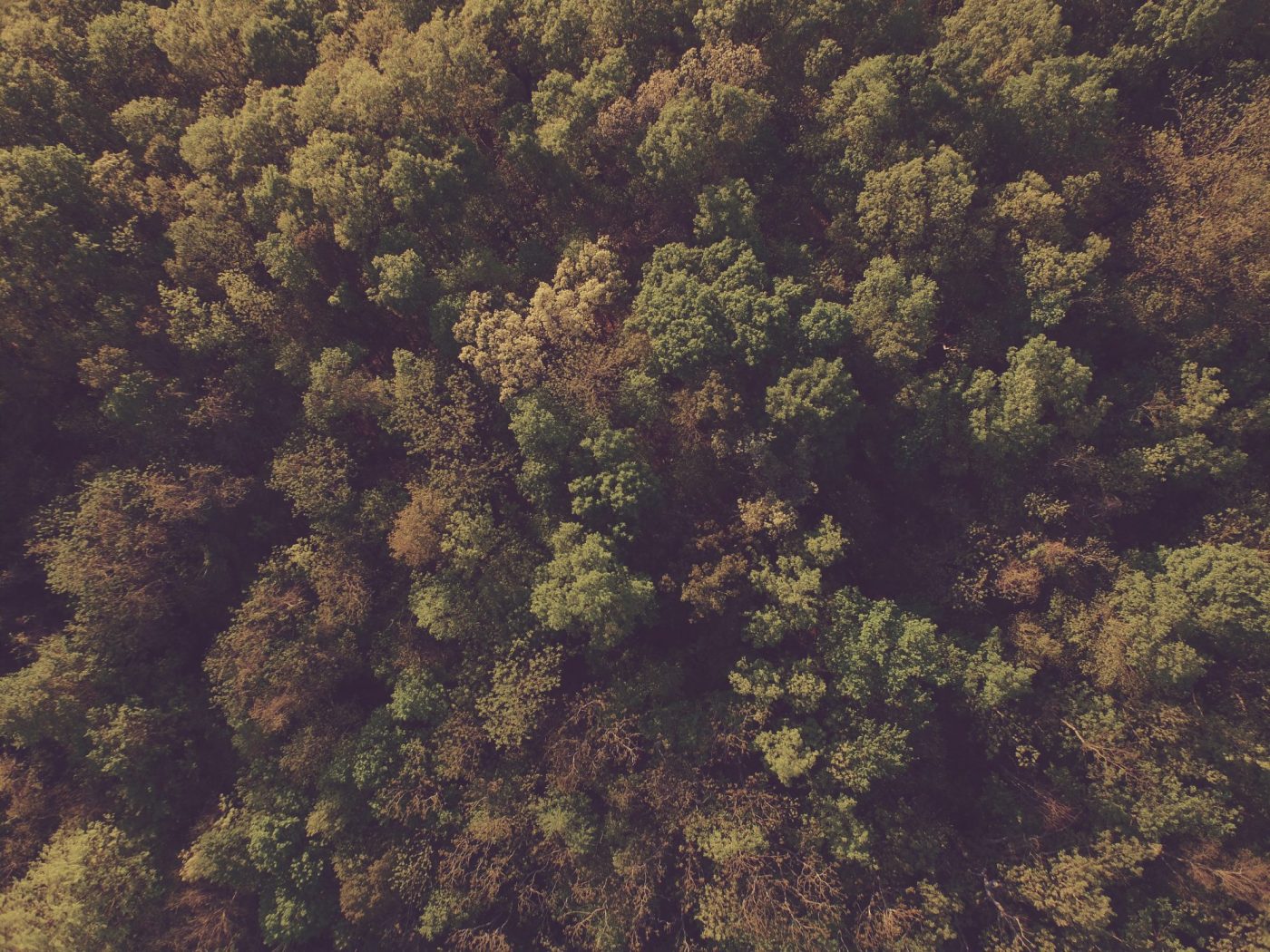
When an owner calls and says “I have 5 hectares of forest near Šeduva”, our first question is always the same: what is the cadastral number? This number lets us see the plot boundaries, area, forest group and restrictions in minutes, so the valuation becomes precise rather than approximate.
What a cadastral number is
The cadastral number is the unique identifier of a land plot in the Real Property Cadastre. It is written as 7150/0002:123: the first part (7150) is the cadastral area, the second (0002) the block, and the number after the colon (123) the specific plot within the block. A plot also has a unique number, usually 12 digits, shown on the extract.
Where to find it
- On the Register Centre extract you received when buying or inheriting. The number is in the “Land plot” section.
- In the Register Centre self-service portal (registrucentras.lt): log in through your bank and see all your property.
- On the certificate of inheritance or the purchase agreement.
- On the land tax notice the State Tax Inspectorate sends every year.
- On the Regia map (regia.lt): click a plot to see its cadastral number and area, even if it is not yours.
What the number reveals
With the number we check four sources. The Real Property Register shows area, purpose, owners, co-owners, mortgages and easements. The State Forest Service map shows the forest group, dominant species, age and approximate volume from the national forest inventory. The protected areas cadastre shows whether the plot falls within a reserve, a Natura 2000 site or a buffer zone. Aerial imagery shows whether the forest has been harvested and what the access looks like.
Tip. If a plot contains both forest and agricultural land, the extract lists both areas separately. Each part is priced differently, so it pays to know how many hectares are actually forested.
What the number does not tell you
Register data on stands is updated rarely, sometimes every 10 years. Volume and age can be out of date, and after windthrow or felling reality differs. That is why we inspect the forest on site before making a final offer.
What if you do not have the number
No problem. In the form, give the location (village or eldership), approximate area and the owner’s name. We usually find the plot ourselves from that. If the inheritance is not yet formalised, you will first need a certificate of inheritance from a notary.